The Relativity of Photography
With just these three variables, you can create an infinity of expression, you can tell stories, describe experiences, and formulate visual poetry that others can layer their own meaning on.
I love photography because it is a study of the beauty at the intersection of light, space and time. With just these three variables, you can create an infinity of expression, you can tell stories, describe experiences, and formulate visual poetry that others can layer their own meaning on. Today, let's start with space and time, and how you can use your shutter speed to manipulate these variables and create transportive effects with your photography.
This is such a fun area to explore once you start to really understand the relationship between these two variables, and this is also where the idea of relativity comes into the equation. In the photograph below, you will notice that the moving car is in sharp focus, while the world around it seems to be in motion. But we know from experience that standing in this scene, it is the car that must be moving, while the world is holding still, relative to the observer (me or you). If we change the relative motion of the observer to match the speed of the subject, then the world itself is forced to move. In more clear terms, if you move your camera at the exact speed of a fast moving subject, then the subject appears to be standing still, creating a beautiful effect of motion that can communicate a sense of flow in your imagery.
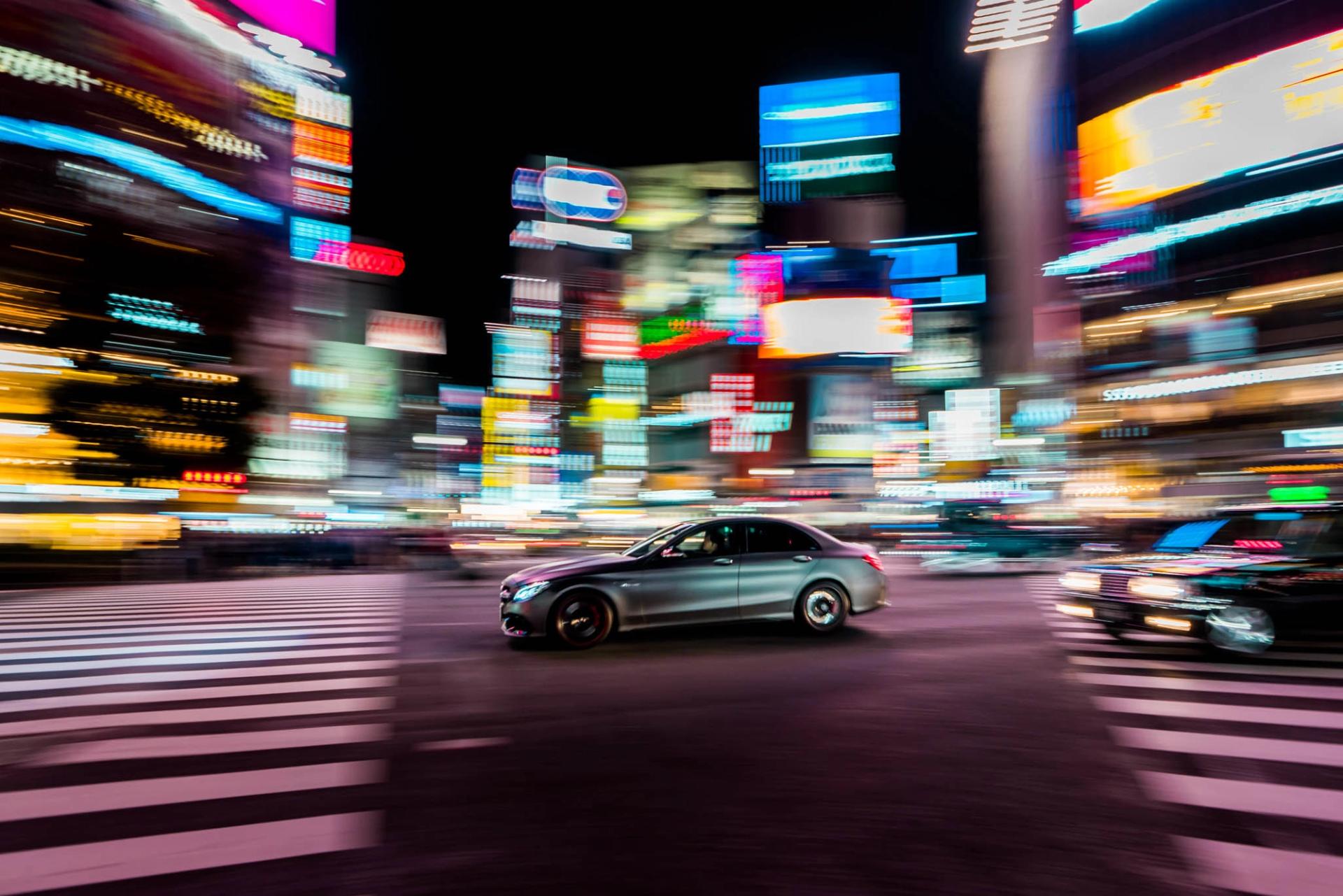
To be even more technical and specific here, for those that like to get even deeper into the technique, you are attempting to make sure the light reflecting off of the car is hitting the exact same spot on your sensor, even as it moves rapidly through the space you are observing. The closer you can get to that 1:1 match, the sharper your subject will be. Even the smallest mismatch in movement will be recorded on your camera, so it often takes many attempts to really nail a shot like this. Like everything, it gets easier with practice, but here is a good place to start when thinking about attempting this with a passing car.
The slower you set your shutter, the more dramatic the effect, but the less likely you have held your subject perfectly in the frame. It is a fun challenge to see how “streaky” you can make the world and how crisp you can make the subject, and I recommend spending some time playing with your shutter speed and trying it on different types of moving subjects.
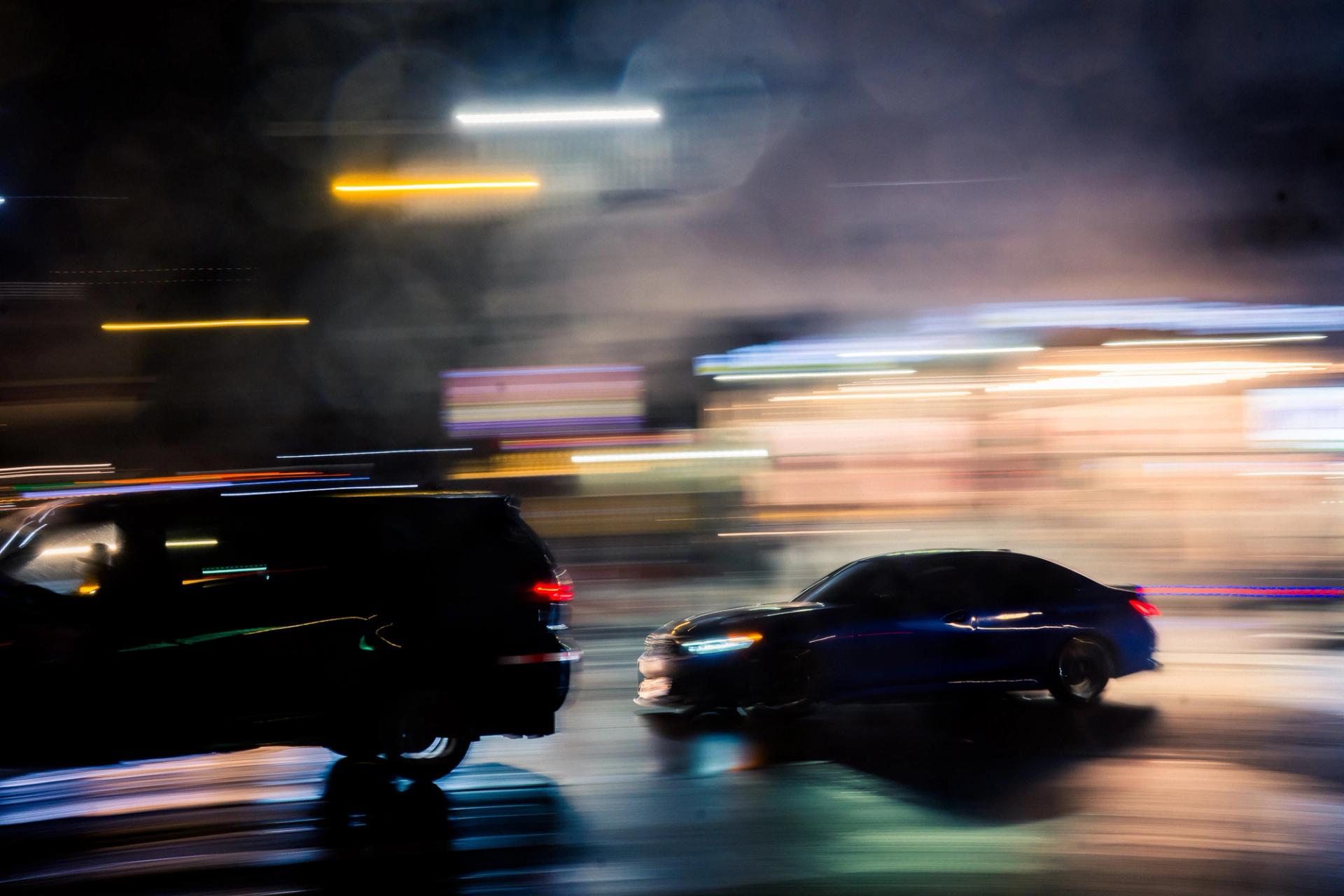
Of course, you can twist your camera, play with a zoom lens, fire a flash off halfway through, and try all sorts of variations, building off of your trial and error. Remember there are no rules you need to stick to, everything is an experiment and an opportunity to learn more about light.
These images below are made by twisting a zoom lens while the shutter is open. Click, twist, and adjust after you see your results. High contrast scenes work great for this effect.
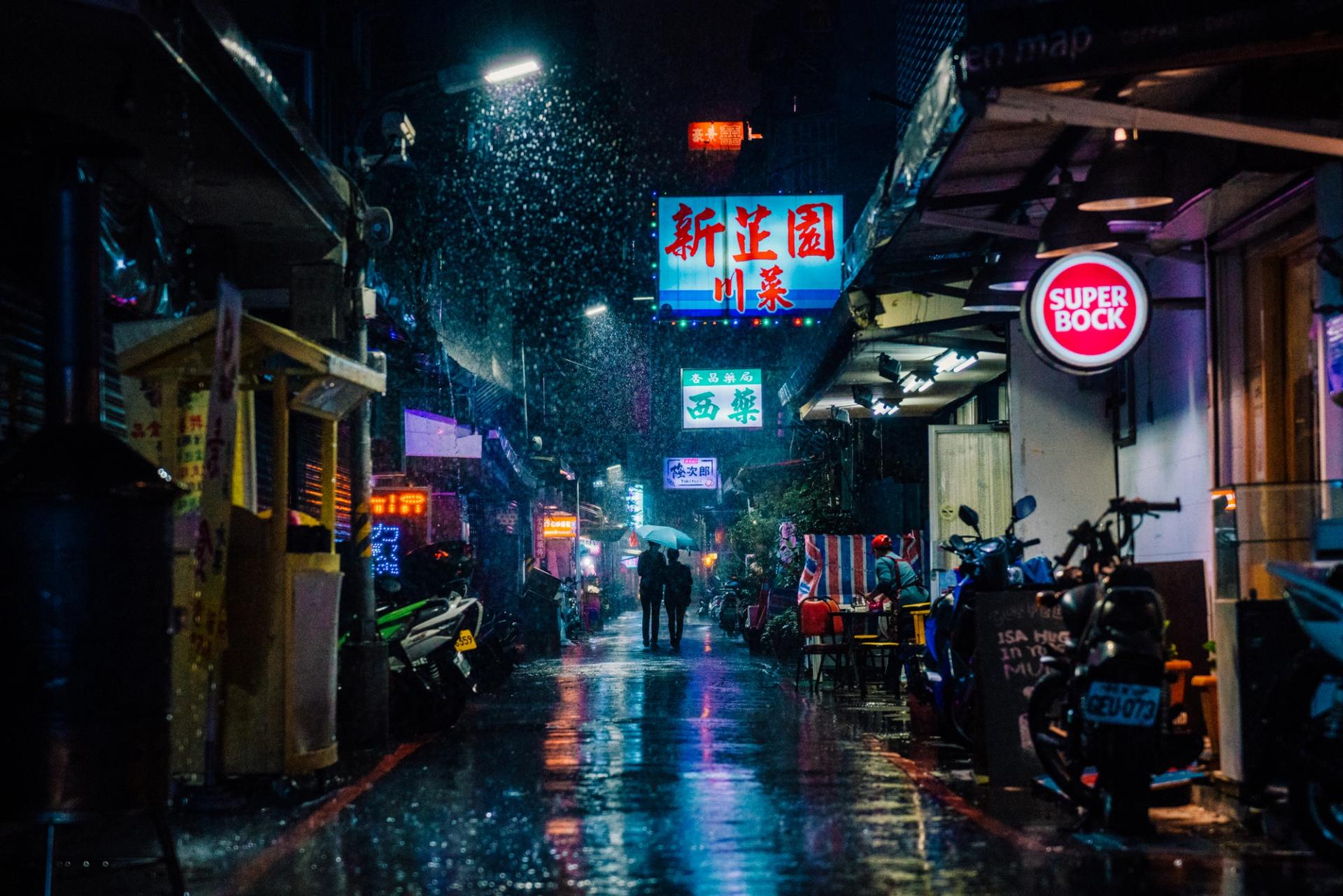
On the other end of time, we can use cameras to freeze motion, and sit with moments longer than we ever could before- taking the smallest slivers of seconds and making visual records that we can sit with for hours. By shooting a rainstorm at 1/1000th+ we can hold every drop in suspension, caught in light beams, and create slides of time to study and appreciate for as long as we like.
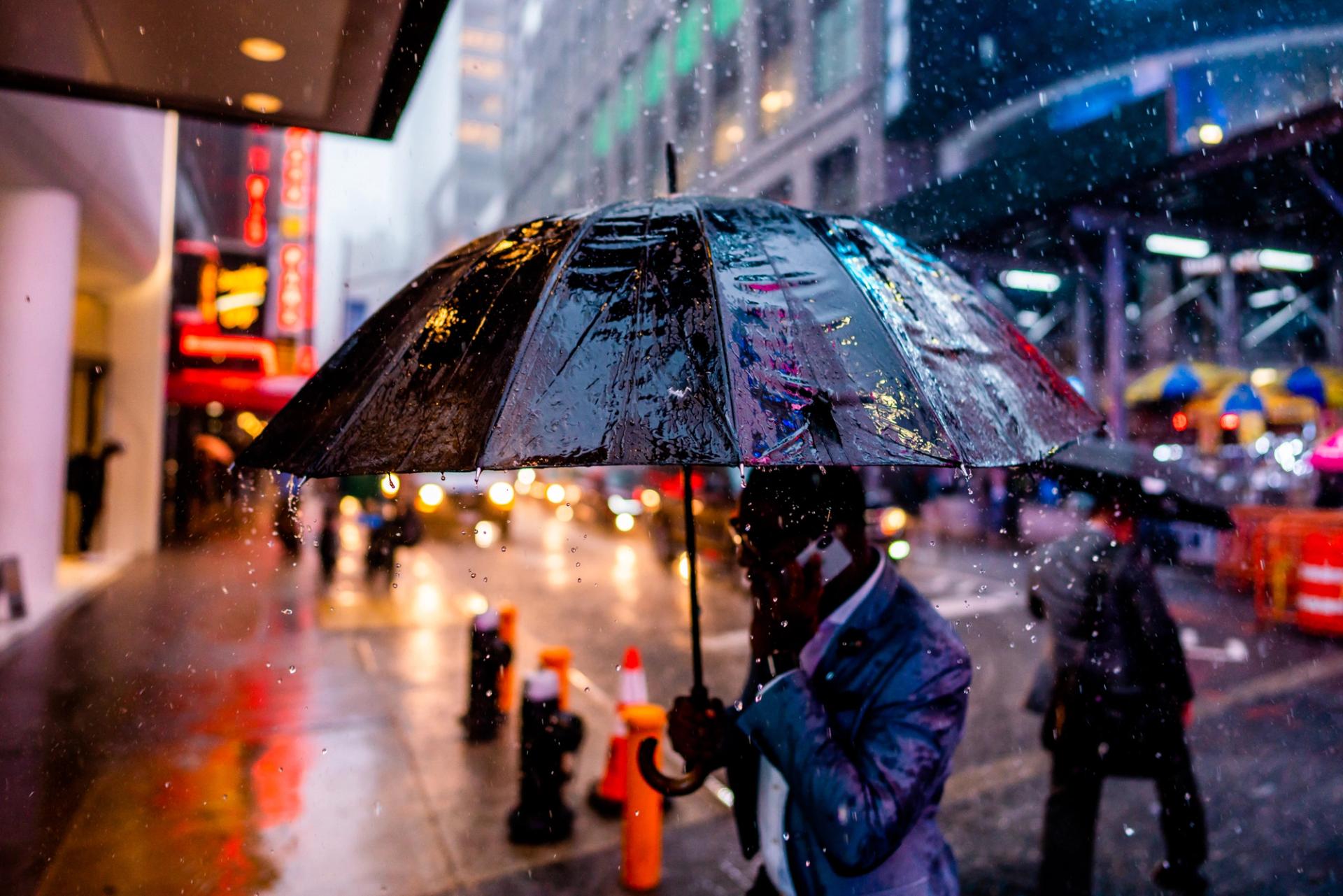
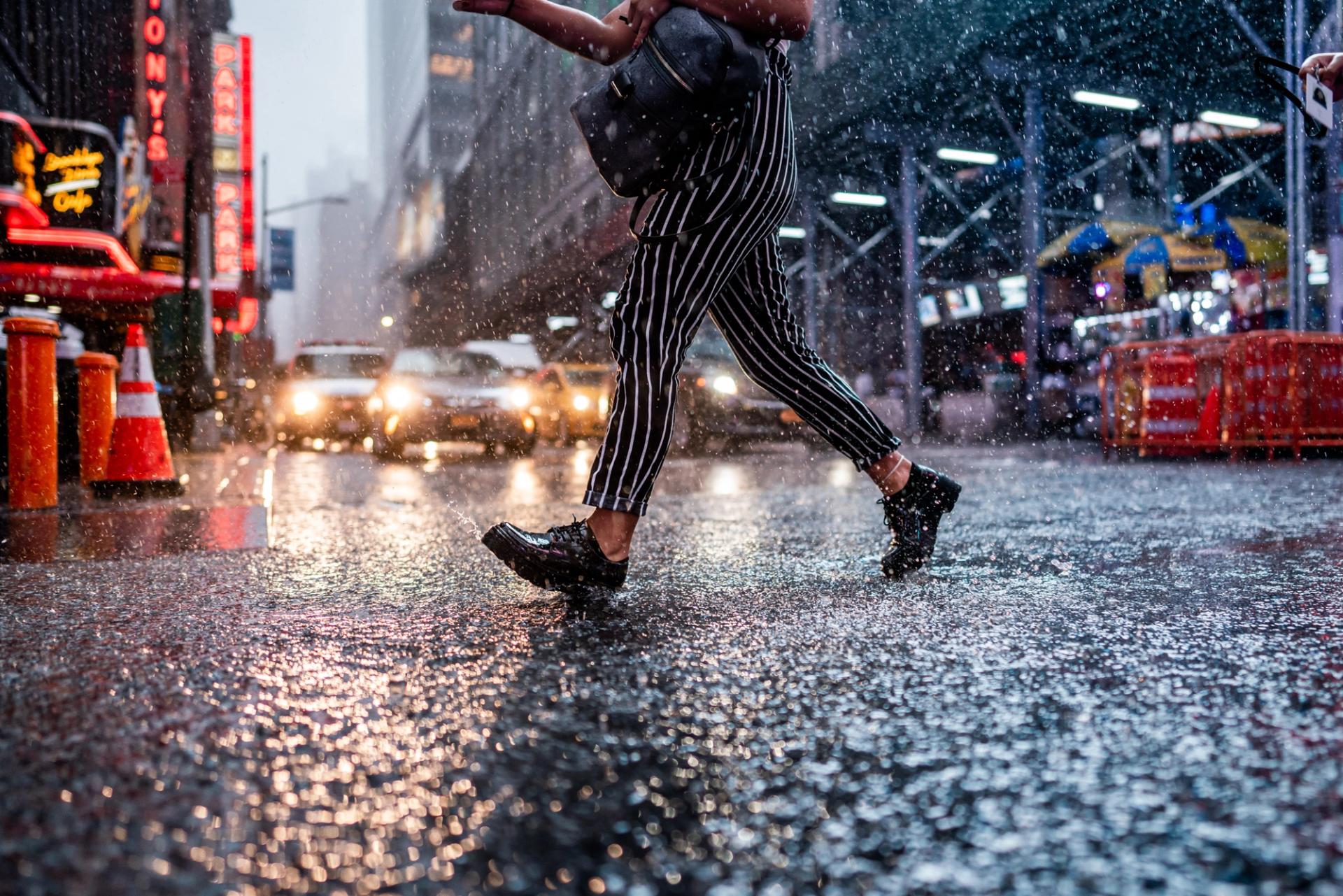
Notice how the left shutter speed was enough to freeze the rain, but I chose to make the shutter even faster once a pedestrian splashed through the same puddle
Alternatively, much is revealed by keeping our shutters open longer, and an equal amount is revealed by closing them as fast as technology will allow. All along this spectrum there are new things to discover, so try both extremes and then play with light all along the middle ground, too.
There are ways to use cameras to compress time, and expand it, and this is another place where relativity intersects with photography. A long exposure- where you keep your shutter open for long enough to capture a bigger chunk of time- is like a sculptural exploration of light moving through space time.
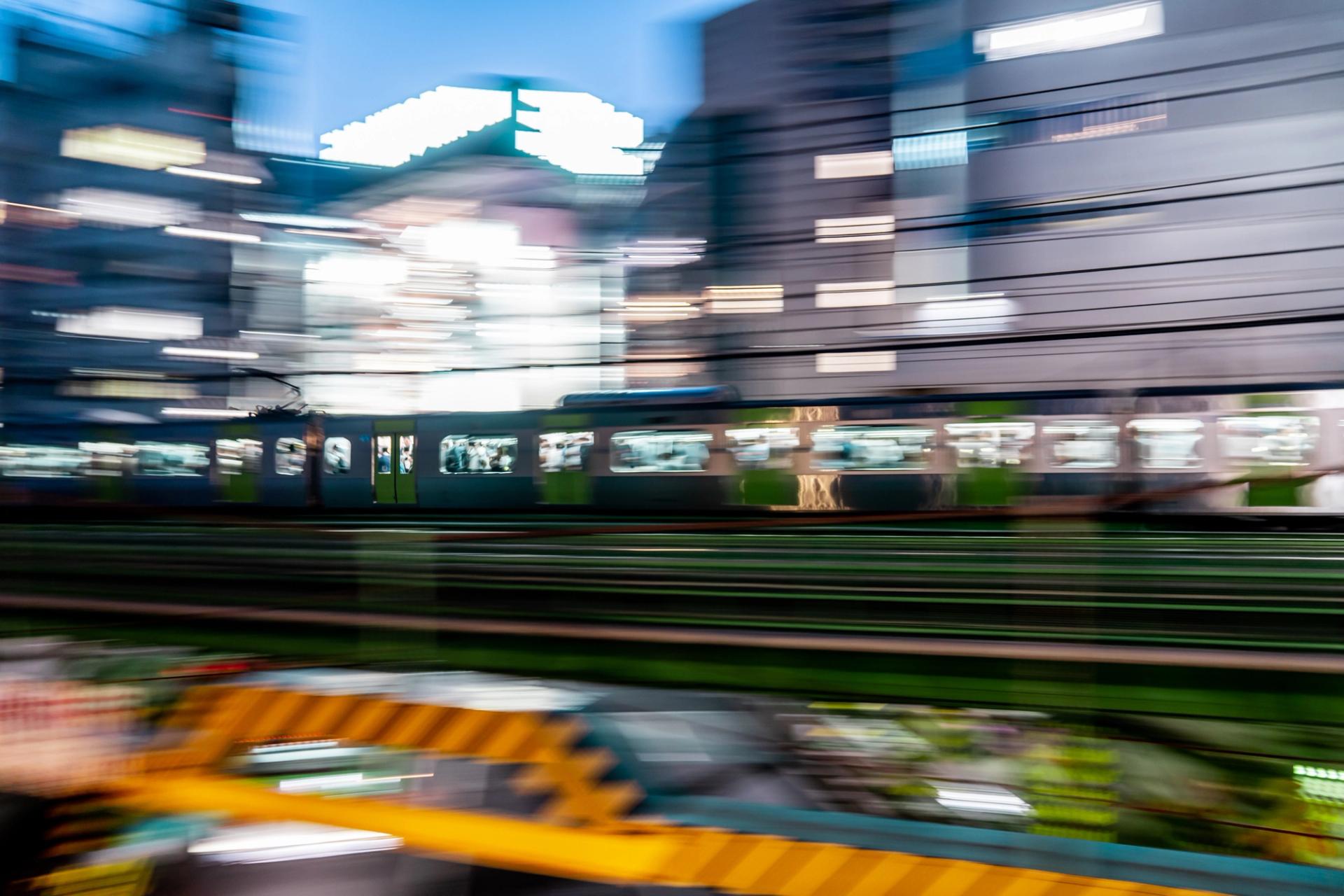
Notice how each streak of light marks the exact passage of a headlight or taillight through spacetime, as well as the distance the train covered during the 2.5 seconds my shutter was open
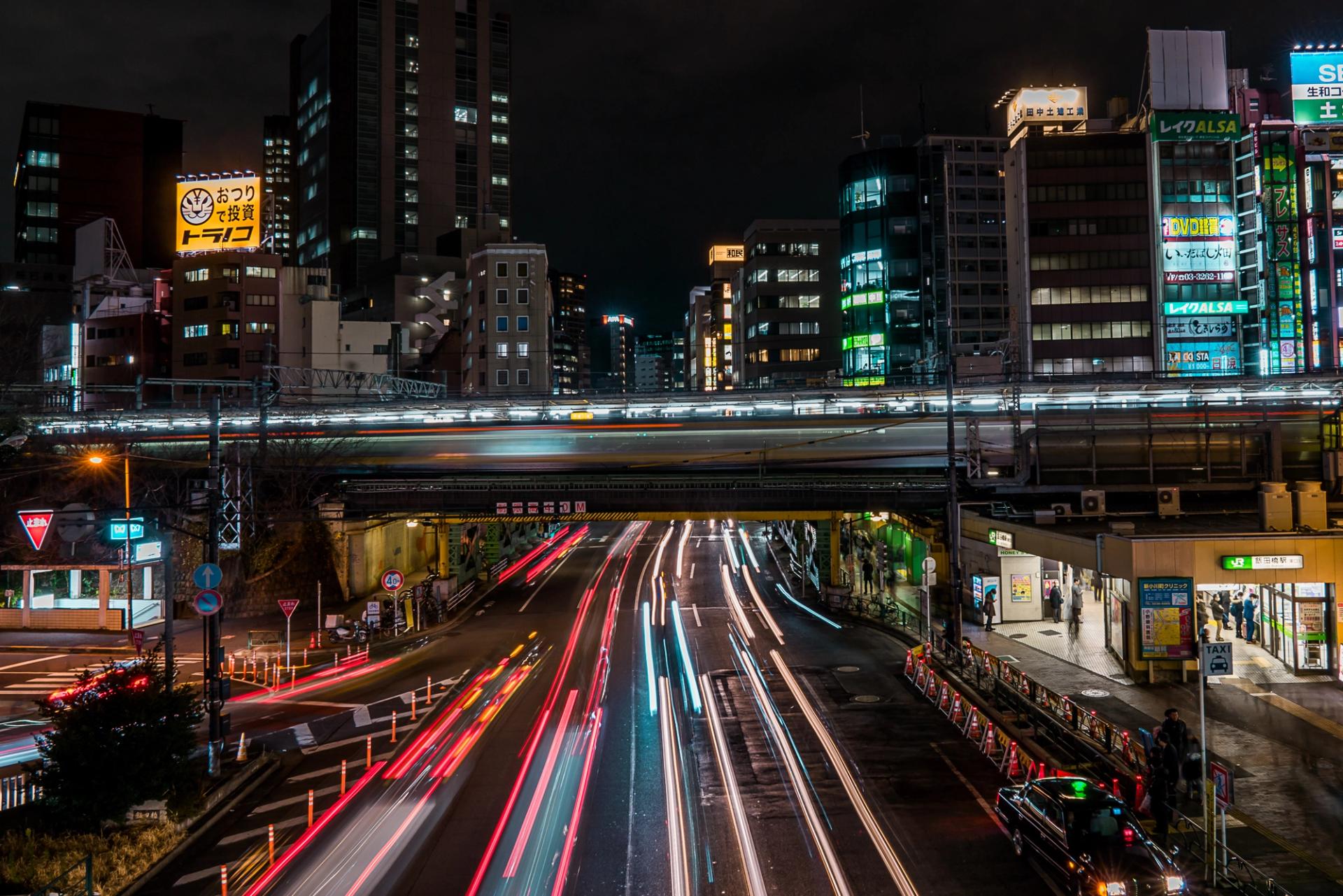
Notice the different feelings you can evoke in the exact same moment, by making different choices about shutter speed
A timelapse, a sequence of photographs played in rapid succession, does the opposite- it compresses time into a smaller window, where you can see the world unfold at rapid speed, and you discover patterns that were unseeable in your normal frame of reference- sunsets, traffic, waves and crowds all reveal their different rhythms.
On the other hand, slow motion lets us sit with seconds for minutes, and study the other side of that spectrum, we can immerse ourselves in the intricate details of rain hitting puddles or blossoms blowing in the wind- by changing the rules of time, we get to explore spaces with deeper attention, and through this practice we can appreciate the intricacies of the world and notice its beauty while it’s amplified.
I’ve been exploring time and space with my camera for over 20 years and I still find new ways to experiment with these techniques. I’ve only mentioned a few here, and others have pushed the boundaries of these tools to the farthest extremes. Remember that everything you learn combines with everything you know, and thinking about space-time in relation to photography is just another way to multiply your creative possibilities.
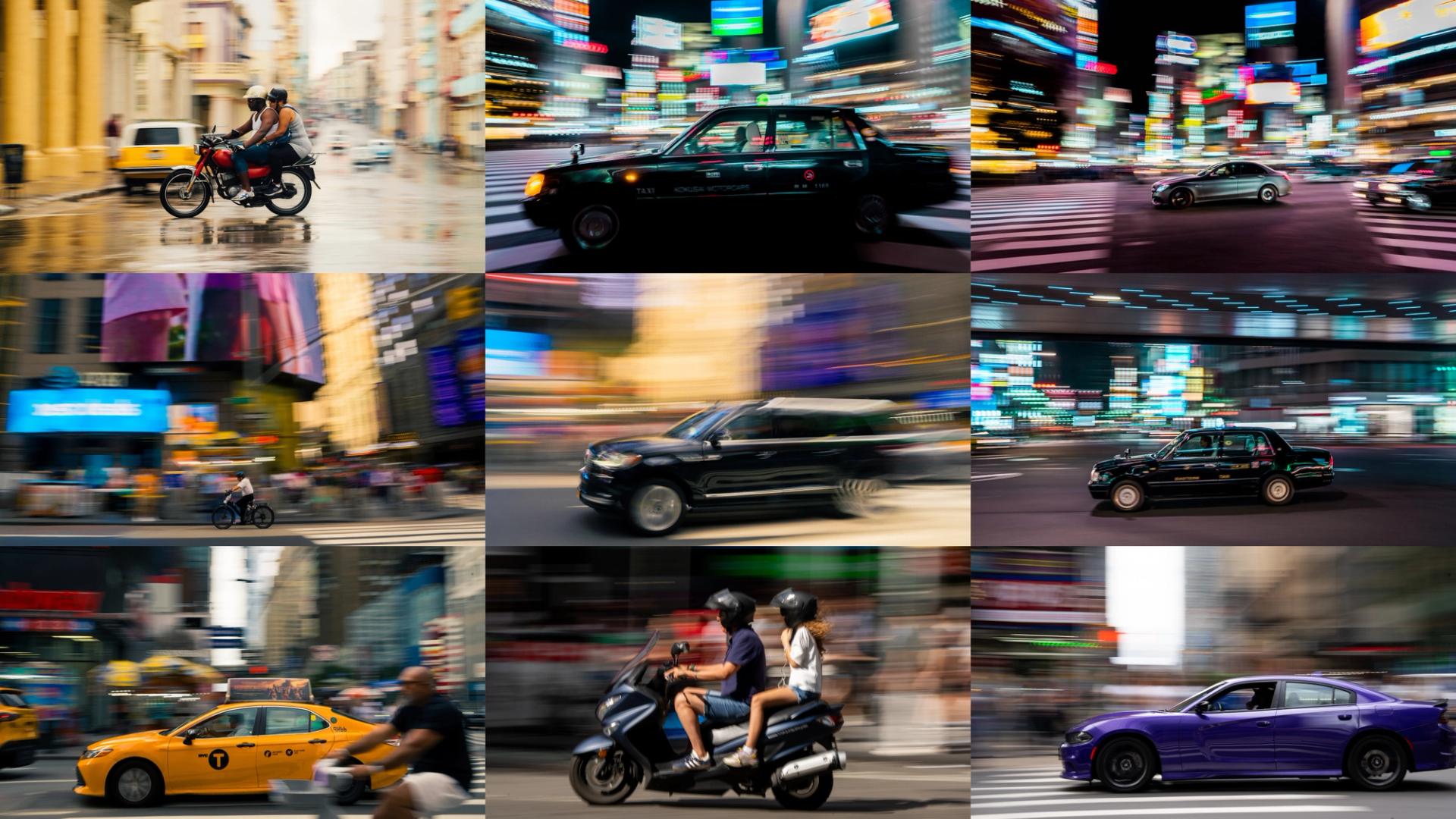
Below are a few examples I shared on Instagram where I employed at least one of the techniques we discussed today:
Share your thoughts on this lesson — your reply goes straight to my inbox.